Hello there! You've reached the portfolio-ish site of Ben Leduc-Mills. This website captures some of my career from user research and service design, to interaction design, software engineering, rapid prototyping & digital fabrication, open source hardware, and of course, AI.
ioCane

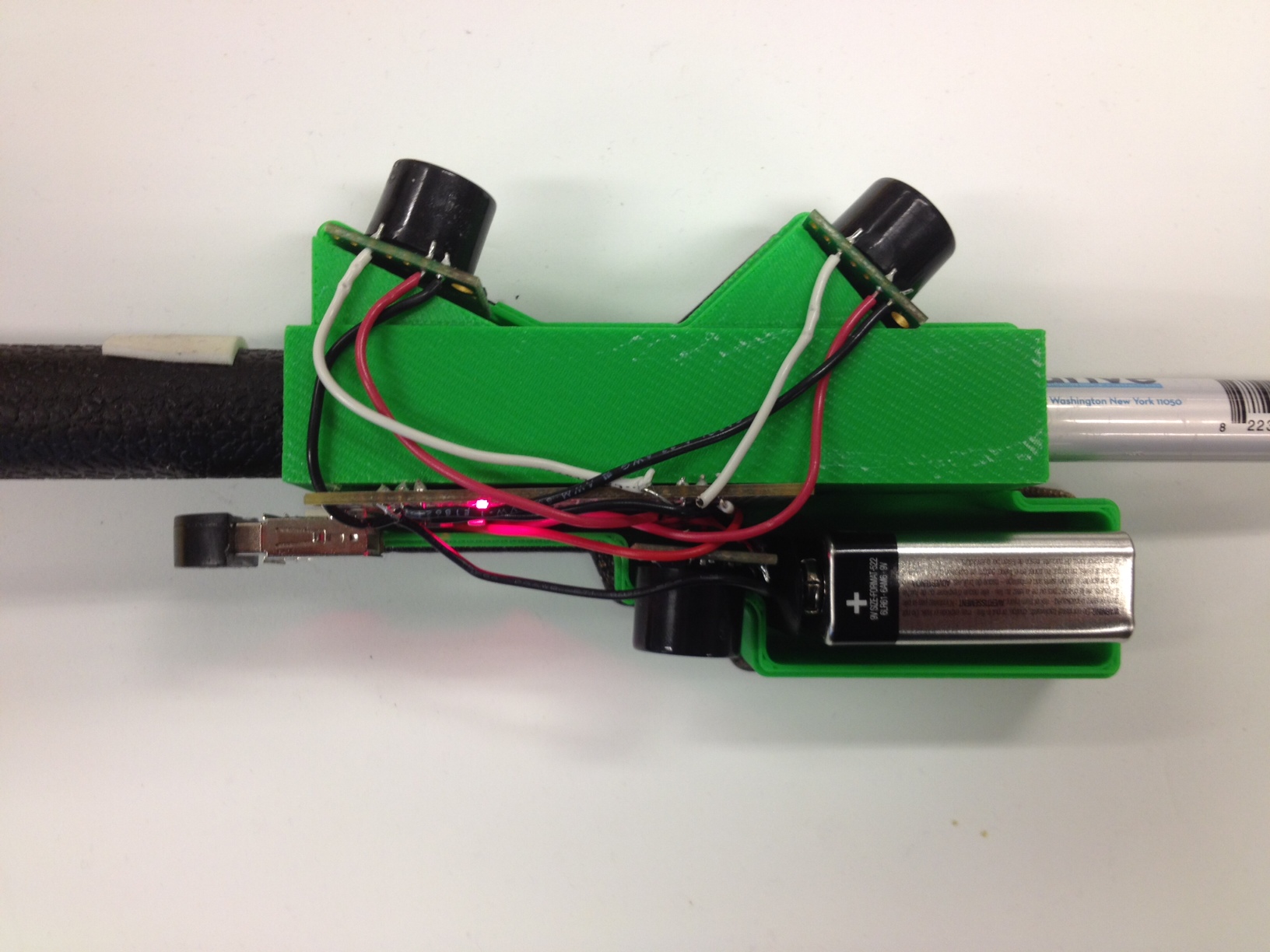
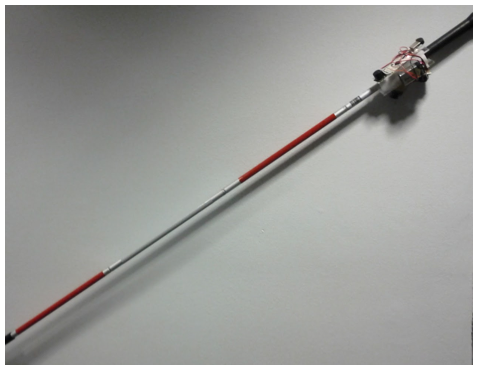
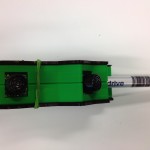
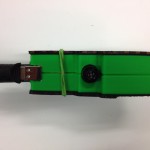
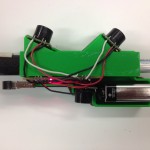
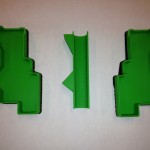
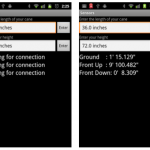
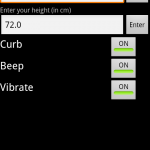
The ioCane is a mobility aid for blind cane users that incorporates the use of ultrasonic sensors and computer vision algorithms with the Android mobile operating system, to pro- vide a plug-and-play solution for the visually impaired that has the potential to significantly enhance mobility and object avoidance with a minimal learning curve. The system functions by taking in readings from three separate ultrasonic sensors placed along the cane and sending the data to a circuit board built to interface with Android mobile devices. The board then sends the sensor data (via Bluetooth) to our ioCane application on the mobile phone, which determines a threshold indicating whether the user is close to hitting an object. If so, the application vibrates (increasing intensity with the proximity of the object) or chimes (3 different tones, dependent on the height of the object detected) to alert the user to avoid the object. In addition, the ioCane application runs a series of computer vision algorithms to detect and alert the user if specific objects of interest are approaching. The sensors and board can fit directly onto a user’s existing cane, are extremely lightweight (under 400 grams), and can run off battery power. In collaboration with Shashank Bharadwaj and Patrick Cromer.
UPDATE: the latest code is available HERE as a repo on bitbucket.